Lucaz Re:born Case Study: 1960s Italian Lounge Chair
This appendix illustrates the Lucaz Re:born acquisition model through a practical example: a 1960s Italian lounge chair in solid teak, characterised by a sculpted scoop seat and a tapered structural frame.
The original designer is unknown. The piece appears to have been produced either as a prototype or in a limited production run. Its current market presence is confined to occasional vintage resales. No active manufacturing, distribution, or rights-holder has been identified.
This presents a strategically favourable scenario:
– Strong formal and structural integrity
– Collectible character
– No active commercial exploitation
– Ambiguous or dormant IP status
Such conditions create the opportunity to secure rights or develop a legally distinct reinterpretation within a controlled production framework.
ACQUISITION & DEVELOPMENT PROCESS
For this case, Lucaz Re:born would proceed through three structured phases:
1. DESIGN AUDIT
– Detailed measurement and documentation
– Structural and ergonomic assessment
– Analysis of joinery, material logic, and load distribution
– Identification of weaknesses or opportunities for refinement
The objective is technical understanding, not replication.
2. STRUCTURAL REINTERPRETATION
– Refinement of proportions where necessary
– Adjustment of seat depth, pitch, or frame tension for contemporary ergonomics
– Reworking of joinery for long-term durability
– Introduction of alternative materials or finish treatments consistent with Lucaz Design’s material framework
The goal is to preserve structural intelligence while establishing formal distinction and legal clarity.
3. PRODUCTION INTEGRATION
The chair would then be integrated into Lucaz Design’s shared European production network:
– Consistent timber sourcing
– Standardised finish calibration
– Controlled upholstery specifications
– Compliance with relevant safety and distribution requirements
This ensures reproducibility, quality control, and scalability without reliance on original production methods.
STRATEGIC SIGNIFICANCE
This example demonstrates how Lucaz Re:born operates:
Not through nostalgia or reproduction,
but through structured reinterpretation of dormant forms.
The result is a piece informed by its origin yet materially and commercially repositioned within a contemporary production system.
Visual Note
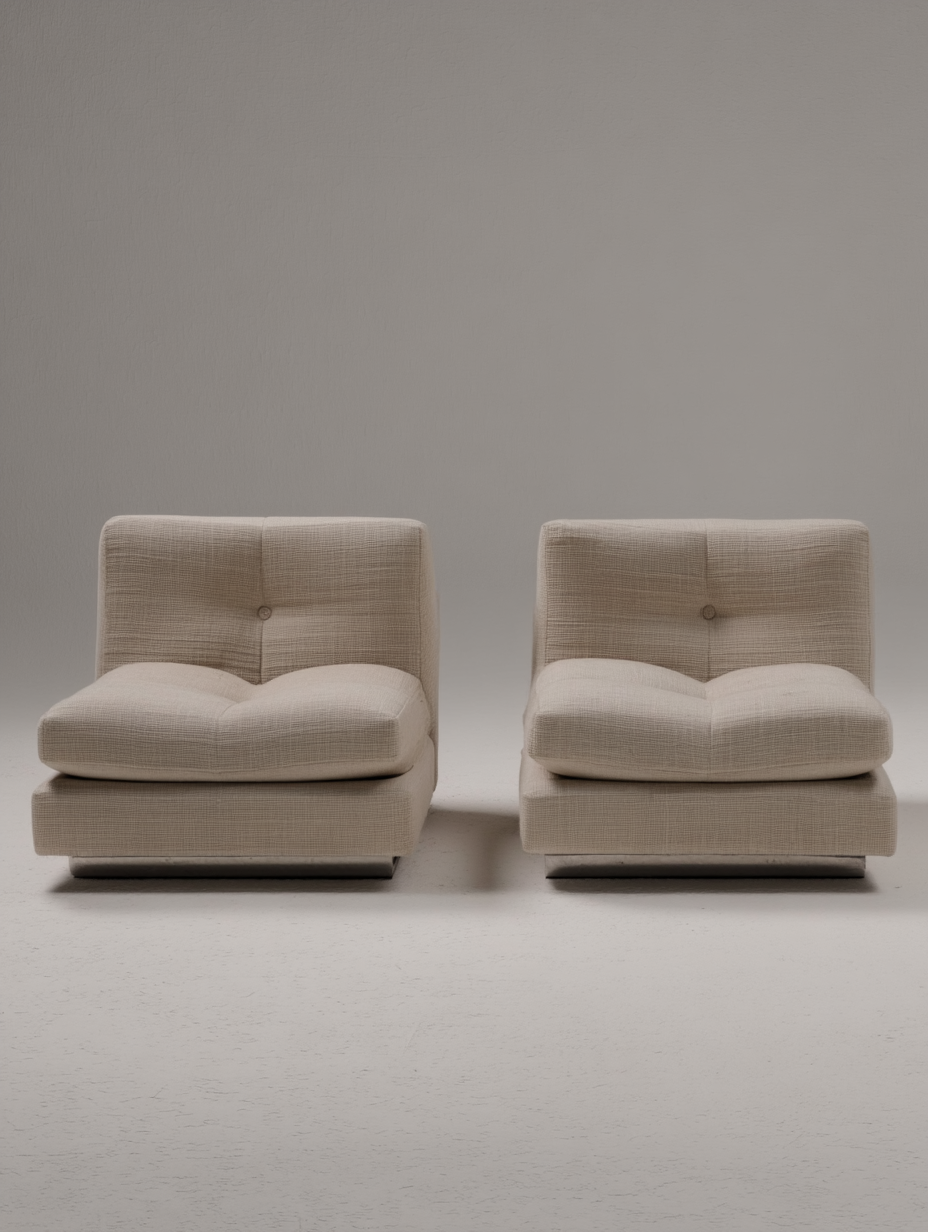
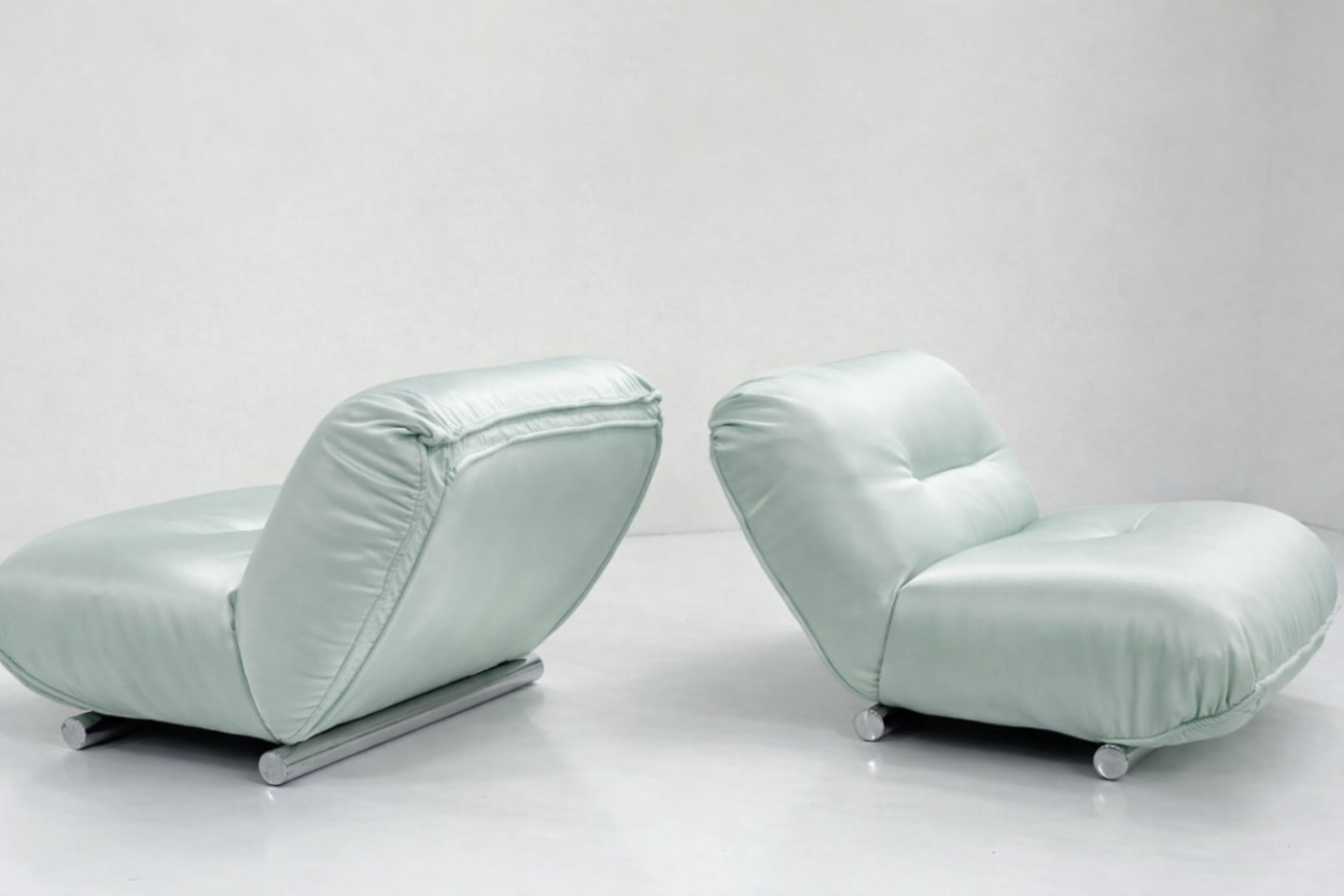
Illustrative visuals accompanying this appendix demonstrate the methodology of reinterpretation.
They do not represent the specific chair referenced above.